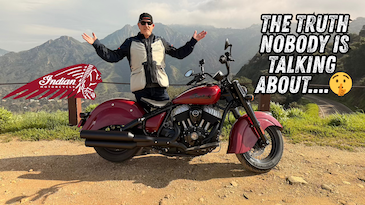
The 2026 Indian Chief Vintage isn’t just another new motorcycle release—it’s a milestone bike. Revealed during Indian Motorcycle’s 125th anniversary year, this machine is meant to honor one of the most iconic American motorcycles ever built, while still delivering modern rideability, performance, and reliability. I was flown to California for the reveal, then got to put real miles on the bike in the Hills around Los Angeles and surrounding roads. Here’s my full real-world breakdown—pros, cons, and who this bike is actually for. (see video below)
How I Ended Up Riding the Chief Vintage in California
Several days before the event, I flew out of Yakima, Washington—where winter had fully set in with daytime highs around 35 degrees. I happily boarded a plane knowing two things: the weather was going to be warmer, and Indian Motorcycle had something special planned.
The event was based out of Universal City, California, with temperatures in the mid-60s—a welcome contrast. The day before the main reveal, I spent time hiking in the Hollywood Hills, clearing my head and thinking about the gravity of the moment.
This year marks 125 years of Indian Motorcycle, a brand that’s been part of American motorcycling since the very beginning. From early innovation and racing dominance, through decades of ups and downs, to a modern resurgence—this milestone isn’t about longevity alone. It’s about survival, reinvention, and the relentless drive to move forward.
 The Reveal: A Modern Tribute to a 1940s Icon
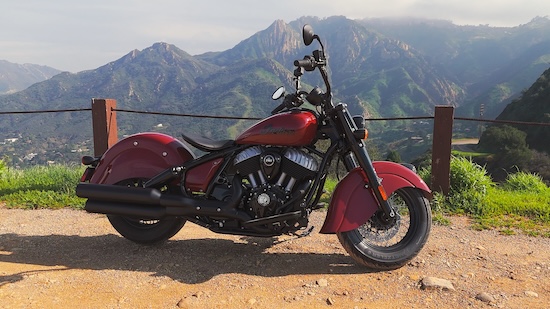
After presentations at the world-famous Petersen Automotive Museum, the cover finally came off the bike sitting in front of us.
There it was—the brand-new 2026 Indian Chief Vintage.
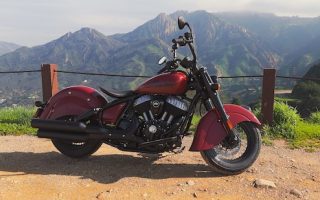
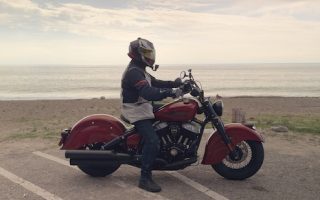
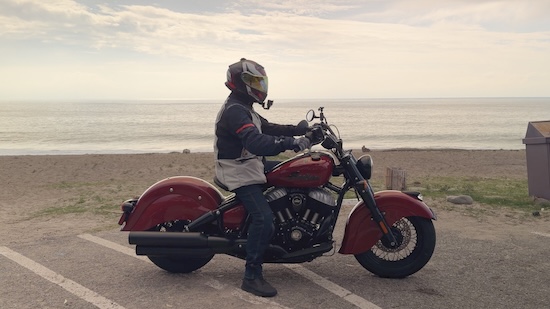
At first glance, it was obvious Indian got this right. The bike is a clear throwback to the 1940s Indian Chief, with flowing valanced fenders, an unmistakable silhouette, and classic proportions. But it’s not a retro copy. This is a modern motorcycle designed to be ridden hard, not just admired in a garage.
I knew immediately that the real test would come the next day—ride day.

SUPPORT US AND SHOP IN THE OFFICIAL LAW ABIDING BIKER STORE
Ride Day: First Impressions in the Saddle
The morning started cool and damp, with rain threatening. But once underway, it didn’t take long to understand what the Chief Vintage is about.
Seat Height & Ergonomics
The first thing I noticed was how low the bike feels. With a seat height right around 27 inches, I was completely flat-footed. If you’re a shorter rider—or just appreciate confidence at stops—this bike is absolutely approachable.
And yes, the tractor-style floating solo seat deserves special mention. I spent years riding police motorcycles with tractor seats, and I love them. Indian said they did a lot of work beneath the surface—materials and construction you can’t see—to absorb shock and improve comfort. After riding it, I believe them.
Comfort takeaway:
-
Excellent rider triangle
-
Comfortable pullback handlebars
-
Tractor seat adds real cushioning
-
Natural, relaxed riding position
Engine Performance: Don’t Let the Looks Fool You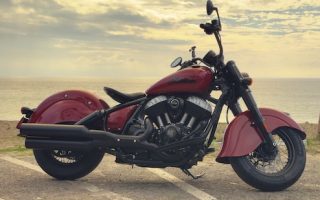
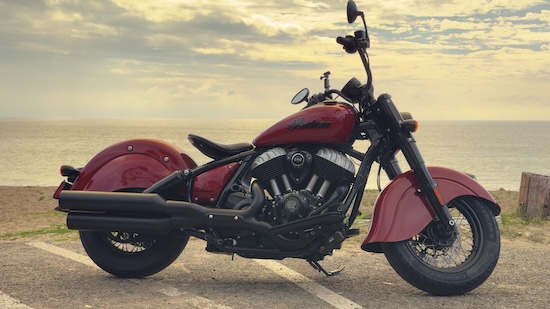
The Chief Vintage is powered by the air-cooled Thunderstroke 116 (1890cc). Indian doesn’t publish horsepower numbers, but what matters here is torque:
-
120 ft-lbs of torque at 2,900 RPM (Approximately 90 horsepower)
And you feel it.
Keeping the bike in that torque band delivers strong, immediate roll-on power. This thing will throw you back in the seat if you want it to. It’s not just a “looker”—it’s meant to be ridden and ripped.
Redline comes in around 5,000 RPM, and while this isn’t a high-revving engine, it doesn’t need to be. This is classic American V-twin character done right.
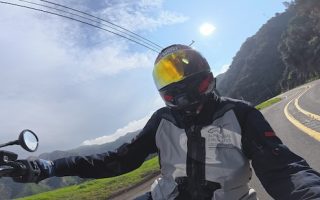 Handling & Real-World Ride Feel
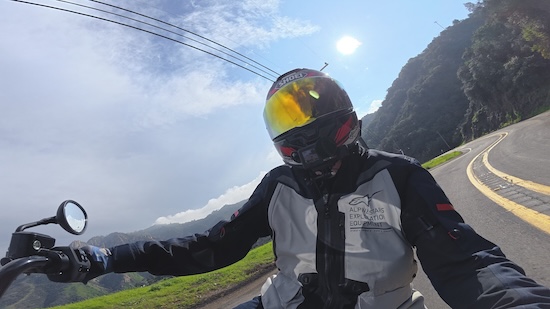
This bike may look big, but it does not ride big.
Despite weighing about 721 lbs wet, the Chief Vintage feels surprisingly nimble. The combination of:
-
16-inch wheels front and rear
-
130mm front / 150mm rear tires
-
Low center of gravity
…makes it easy to transition from corner to corner. Very light handlebar input is all it takes.
We hit real twisty roads in the hills, and I was genuinely impressed. The bike flips side-to-side easier than you’d expect, and it honestly feels smaller than it looks.

CHECK OUT OUR HUNDREDS OF FREE HELPFUL VIDEOS ON OUR YOUTUBE CHANNEL AND SUBSCRIBE!
Lean Angle Reality
With about 28.5 degrees of lean angle, you will scrape floorboards—and you’ll do it quickly. That’s expected on a bike like this. It’s not a sport cruiser, but within its limits, it’s confidence-inspiring and fun.
Suspension & Braking Performance
Suspension
-
Front: Traditional telescopic forks (about 5.2 inches of travel)
-
Rear: Dual exposed shocks with 3 inches of travel
This is standard OEM suspension—and for OEM, it’s pretty good. Is it premium aftermarket? No. But it absorbs bumps well, doesn’t feel jarring, and works nicely with the tractor seat to smooth things out.
Brakes
-
Front: Single 298mm floating rotor, 4-piston caliper
-
Rear: Single 298mm floating rotor, 2-piston caliper
-
ABS standard
-
No linked braking
Trail braking into corners felt grabby at first, but not in a bad way—just something to get used to. Braking power is there, and once familiar, it’s predictable and controlled.
 LISTEN TO THE LAW ABIDING BIKER PODCAST!
Technology: Modern, But Not Overloaded
Indian struck a deliberate balance here.
What It Has:
-
4-inch RIDE COMMAND touchscreen
-
Ride modes: Tour, Standard, Sport
-
ABS
-
Cruise control
-
Bluetooth connectivity with a smartphone and headset
-
Digital gauges (RPM, speed, fuel, gear, temp, navigation)
- USB Type A port up front and under the fuel tank
The display is bright, responsive (even with gloves), and easy to navigate. You can run music, bike info, and navigation cleanly without clutter.

BECOME A PATRON MEMBER AND GET BENEFITS!
What It Doesn’t Have (and Why That Matters):
-
No traction control
-
No rain mode
-
No linked brakes
-
No advanced rider safety tech (blind spot, collision warnings, etc.)
Those features are reserved for Indian’s PowerPlus lineup. And honestly, that’s okay. This keeps the bike simpler, more classic, and helps keep the price reasonable.
Fuel Range & Touring Capability
-
4-gallon fuel tank
This is one of the main limitations if you plan long-distance touring. It keeps the bike lighter and more nimble, but you’ll need to plan fuel stops.
That said, you can turn this into a light touring bike with OEM offerings.
-
Optional two-up seat
-
Passenger backrest
-
Saddlebags
-
Windshield
- Engine guards
For true long-haul touring, you’ll still want something like a Roadmaster or Pursuit—but that’s not what this bike is trying to be.
 Pros & Cons (Honest Take)
Pros
-
Stunning, iconic design
-
Surprisingly nimble handling
-
Massive low-RPM torque
-
Comfortable tractor seat
-
Approachable seat height
-
Modern tech without clutter
-
Head-turner everywhere you stop
Cons / Considerations
-
Limited lean angle
-
No traction control or rain mode
-
No linked braking
-
Smaller fuel tank for touring
-
OEM suspension (good, not premium)
Big Picture: Indian’s Future
2026 is a major year for Indian Motorcycle:
-
125th anniversary
-
Separation from Polaris
-
New ownership under Carolwood LP
-
New leadership direction
That’s exciting. It signals focus—on motorcycles, heritage, and innovation—without dilution.
Final Thoughts: Should You Buy One?
The 2026 Indian Chief Vintage is not just a nostalgia piece. It’s a modern motorcycle with classic soul, and it rides far better than it looks on paper.
If you want:
-
A true American V-twin
-
Iconic styling
-
Real torque
-
Modern reliability
-
And a bike that feels special every time you ride it
…then this is absolutely worth a test ride.
I’m grateful to have ridden it, and I strongly encourage you to do the same.
Join the Free Email Club!
If you appreciate this free information make sure to join the thousands of law abiding bikers that have already joined the free Email Club! You will be notified of new useful motorcycle content and techniques as we put them out. Join the Community now!